Tooth Extraction in Nairobi: Safe, Gentle & Professional Care at Gottel Dental Center
Dental Cleaning Cost in Nairobi & Emergency Dentist Signs
Oral Hygiene Tips & Dental Implants Kenya
Tooth extraction is a dental procedure performed to remove a damaged, infected, or problematic tooth. This comprehensive guide explains when extraction is needed, the different types of extractions, the full procedure step-by-step, healing expectations, aftercare instructions, possible complications, and why proper dental evaluation is important. Gottel Dental Center offers safe, gentle, and professional extraction services for all patients.
Content:
Tooth extraction is one of the most common dental procedures, yet many patients feel anxious because they don’t fully understand what to expect. This guide covers everything about tooth extraction to help you feel confident and prepared.
At Gottel Dental Center, our goal is to make every extraction safe, comfortable, and stress-free through modern techniques and gentle patient care.
What Is Tooth Extraction?
Tooth extraction is the removal of a tooth from its socket in the jawbone. It is performed when a tooth is too damaged, infected, or impacted to be saved through restorative treatment.
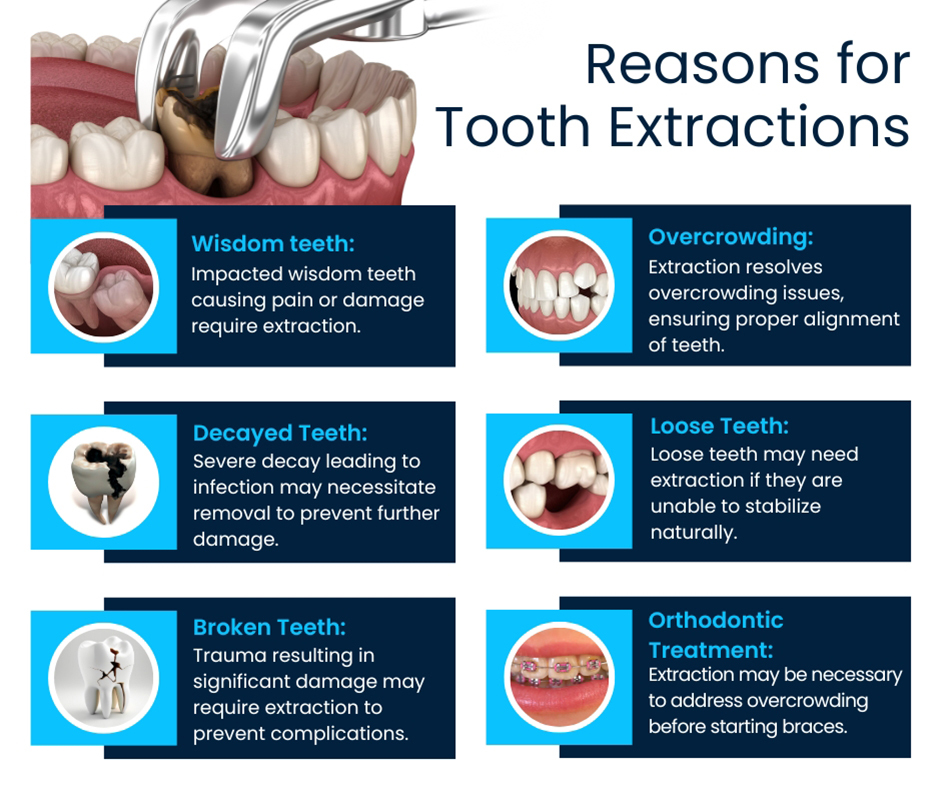
Reasons Why Tooth Extraction Is Needed
Tooth extraction may be recommended for:
1. Severe Tooth Decay
When bacteria reach the pulp and the tooth cannot be restored, extraction prevents infection from spreading.
2. Advanced Gum Disease
Periodontal disease can loosen teeth, making extraction necessary.
3. Cracked or Broken Teeth
Severe fractures below the gum line often require removal.
4. Dental Crowding
Teeth may be removed to create space for braces or orthodontic treatment.
5. Infection or Abscess
A serious infection may require extraction if it doesn’t respond to root canal treatment.
6. Impacted Teeth
Common with wisdom teeth — these may grow sideways or remain trapped in the gums.
7. Damaged Teeth from Trauma
Accidents or injuries may cause irreversible tooth damage.
Types of Tooth Extractions
1. Simple Extraction
Used when the tooth is visible in the mouth.
• Performed under local anesthesia
• Dentist loosens and removes the tooth gently
2. Surgical Extraction
Used when the tooth is broken, impacted, or difficult to reach.
• A small incision may be made
• Sometimes bone or gum tissue is removed
• Common for wisdom teeth
Step-by-Step Extraction Procedure
1. Examination and X-rays
The dentist assesses the tooth and surrounding bone.
2. Local Anesthesia
The area is completely numbed to prevent pain.
3. Tooth Removal
• For simple extraction: the dentist gently loosens the tooth
• For surgical extraction: an incision and controlled removal are performed
4. Cleaning the Socket
The dentist removes any remaining debris or infection.
5. Stitches (if needed)
Used mainly for surgical cases to help healing.
6. Gauze Placement
Controls bleeding and helps form a blood clot.
What to Expect After the Extraction
You may experience:
-
Mild swelling for 1–3 days
-
Slight bleeding for a few hours
-
Tenderness when chewing
-
Stiffness in the jaw (especially for surgical extractions)
These are normal and usually resolve quickly with proper care.
Aftercare and Healing Tips
1. Control Bleeding
Bite firmly on gauze for 20–30 minutes.
2. Reduce Swelling
Use ice packs for 10–15 minutes at a time.
3. Eat Soft Foods
Soup, yogurt, mashed potatoes, smoothies.
4. Avoid:
-
Smoking
-
Alcohol
-
Hot foods
-
Spitting forcefully
-
Drinking through straws
These can dislodge the clot and cause dry socket.
5. Clean Gently
Brush other teeth normally, but avoid the extraction site.
6. Rinse With Warm Salt Water
Start after 24 hours to keep the area clean.
7. Medication
Take prescribed painkillers or antibiotics as instructed.
How Long Does Healing Take?
-
Simple extraction: 3–7 days
-
Surgical extraction: 7–14 days
-
Complete bone healing: 4–6 weeks
Healing depends on age, oral hygiene, and the type of extraction.
Possible Complications (Rare but Important)
-
Dry socket
-
Infection
-
Excessive bleeding
-
Nerve sensitivity (mainly for lower wisdom teeth)
-
Cracked adjacent teeth (rare in surgical cases)
Our dentists monitor healing closely to prevent and manage any issues early.
Frequently Asked Questions
1. Is tooth extraction painful?
No — anesthesia ensures the procedure is pain-free.
2. Can I go back to work after extraction?
Yes, for simple extractions. Surgical cases may require a day of rest.
3. Can I replace the extracted tooth?
Yes. Options include implants, bridges, and dentures.
4. How soon can I eat?
You can eat soft foods immediately after the numbness wears off.
Why Choose Gottel Dental Center for Tooth Extraction?
-
Experienced and gentle dentists
-
Modern, safe extraction techniques
-
Affordable pricing
-
Clean, comfortable environment
-
Proper follow-up and aftercare guidance
Your comfort, safety, and oral health are our top priorities.